One of the most common questions asked by people considering a hair transplant is which technique is more suitable for them. Today, among the most preferred methods, Sapphire FUE and FUE DHI hair transplant techniques stand out. Both methods are modern, effective, and capable of delivering successful results; however, they differ significantly in terms of application methods, advantages, and suitability criteria.
In this article, we will examine Sapphire FUE and FUE DHI hair transplant techniques in detail, explain the differences between them, and help clarify which technique may be more suitable for you.
What Is Sapphire FUE Hair Transplant?
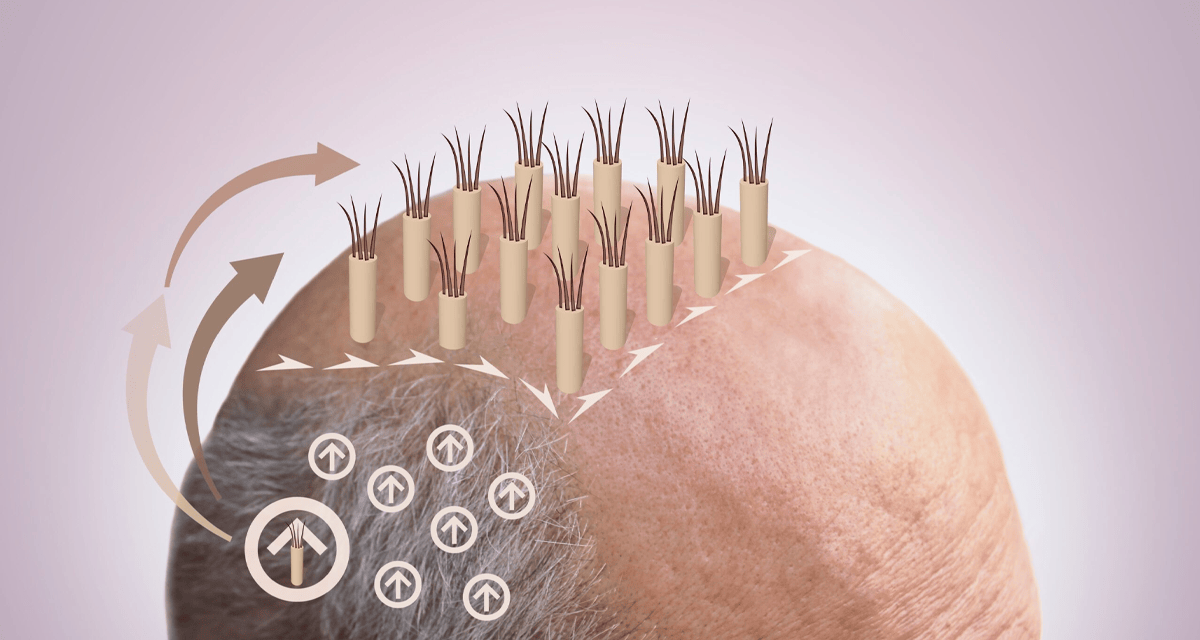
Sapphire FUE hair transplantation is based on the extraction of hair follicles individually from the donor area using the FUE method, followed by implantation into micro-channels opened in the recipient area using sapphire blades.
Compared to metal blades, sapphire tips have a smoother and sharper structure. This allows channels to be created in a more controlled and precise manner with minimal tissue trauma. Since the channel-opening stage is performed as a separate step, density and channel planning can be optimized more effectively over larger areas.
Sapphire FUE is commonly preferred for:
- Individuals with extensive hair loss areas
- Cases requiring a high number of grafts
- Situations where natural hair direction needs to be distributed across large areas
It is therefore a frequently chosen technique in such scenarios.
What Is FUE DHI Hair Transplant?
FUE DHI hair transplantation is a method in which hair follicles are extracted from the donor area using the FUE method and then implanted directly without opening channels using a Choi implanter pen.
In this technique, channel opening and graft implantation are performed in a single step. With the help of the implanter pen, the following aspects of each hair follicle can be controlled with high precision:
- Angle
- Direction
- Depth
This provides a significant advantage, especially in hairline design and implantation between existing hair.
FUE DHI is most commonly preferred for:
- Individuals with mild to moderate hair loss
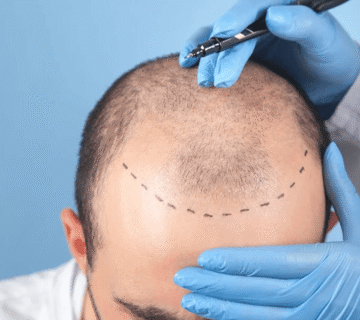
- Hairline and frontal area design
- Patients who prefer unshaven or partially shaved hair transplantation
It is therefore a prominent option in these cases.
Key Differences Between Sapphire FUE and FUE DHI
Both techniques can deliver successful results; however, their application principles and advantages differ.
Channel Opening Method
- Sapphire FUE: Channels are opened in advance using sapphire blades, and grafts are implanted afterward.
- FUE DHI: Grafts are implanted directly using an implanter pen without opening channels.
Density and Area Management
- Sapphire FUE: Ideal for achieving homogeneous density over large areas.
- FUE DHI: Suitable for dense and controlled implantation in narrow and sensitive areas.
Hairline Control
- Sapphire FUE: Natural results are achieved, but control depends on channel planning.
- FUE DHI: Provides higher control in hairline and frontal area design.
Unshaven Application
- Sapphire FUE: Generally performed with shaving.
- FUE DHI: More suitable for unshaven or partially shaved procedures.
Healing Process
- Sapphire FUE: Tissue healing progresses comfortably thanks to sapphire blades.
- FUE DHI: Since tissue intervention is more controlled, recovery is faster for most patients.
Which Technique Is More Suitable for Whom?
There is no single correct answer to this question. The most appropriate technique is determined based on individual hair structure and expectations.
Sapphire FUE May Be More Suitable If:
- You have a large area of hair loss
- A higher number of grafts is required
- The entire crown or front–mid area is targeted
- A classic, planned, and large-area implantation is desired
FUE DHI May Be More Suitable If:
- The area of hair loss is limited
- Hairline aesthetics are a priority
- Implantation between existing hair is needed
- Unshaven hair transplantation is preferred
More Important Than the Technique: Proper Planning
Sapphire FUE or FUE DHI…
Regardless of the technique chosen, proper planning is the foundation of a successful hair transplant.
The following factors are always decisive:
- Type of hair loss
- Donor area capacity
- Facial structure and hairline harmony
- Long-term hair loss projection
For this reason, the choice of technique should always be made through expert evaluation. It is not the wrong technique, but the wrong choice of technique that leads to unsuccessful results.
So, Sapphire or DHI?
Sapphire FUE and FUE DHI hair transplant techniques are among the most effective methods in modern hair transplantation. However, the concept of the “best technique” varies from person to person.
What truly matters is:
- Determining the most suitable technique for you
- Accurate density and angle planning
- Application by a professional and experienced team
When these criteria are met, it is possible to achieve natural, permanent, and aesthetic results with both methods.