Beard and Mustache Transplant Treatment
At DK International Hair Transplant, we plan and perform beard and mustache transplant procedures in accordance with international medical standards. As the beard and mustache areas are critical elements that directly affect facial aesthetics, the process is carried out based on scientific evaluation, aesthetic planning, and patient safety.
For each patient, beard and mustache structure, facial features, hair growth direction, density expectations, and natural boundaries are analyzed in detail. The goal is to achieve natural-looking, long-lasting results that are harmonious with the face.
With our expert physicians and experienced medical team, we meticulously manage every stage of the beard and mustache transplant process, providing our patients with a safe and comfortable experience.
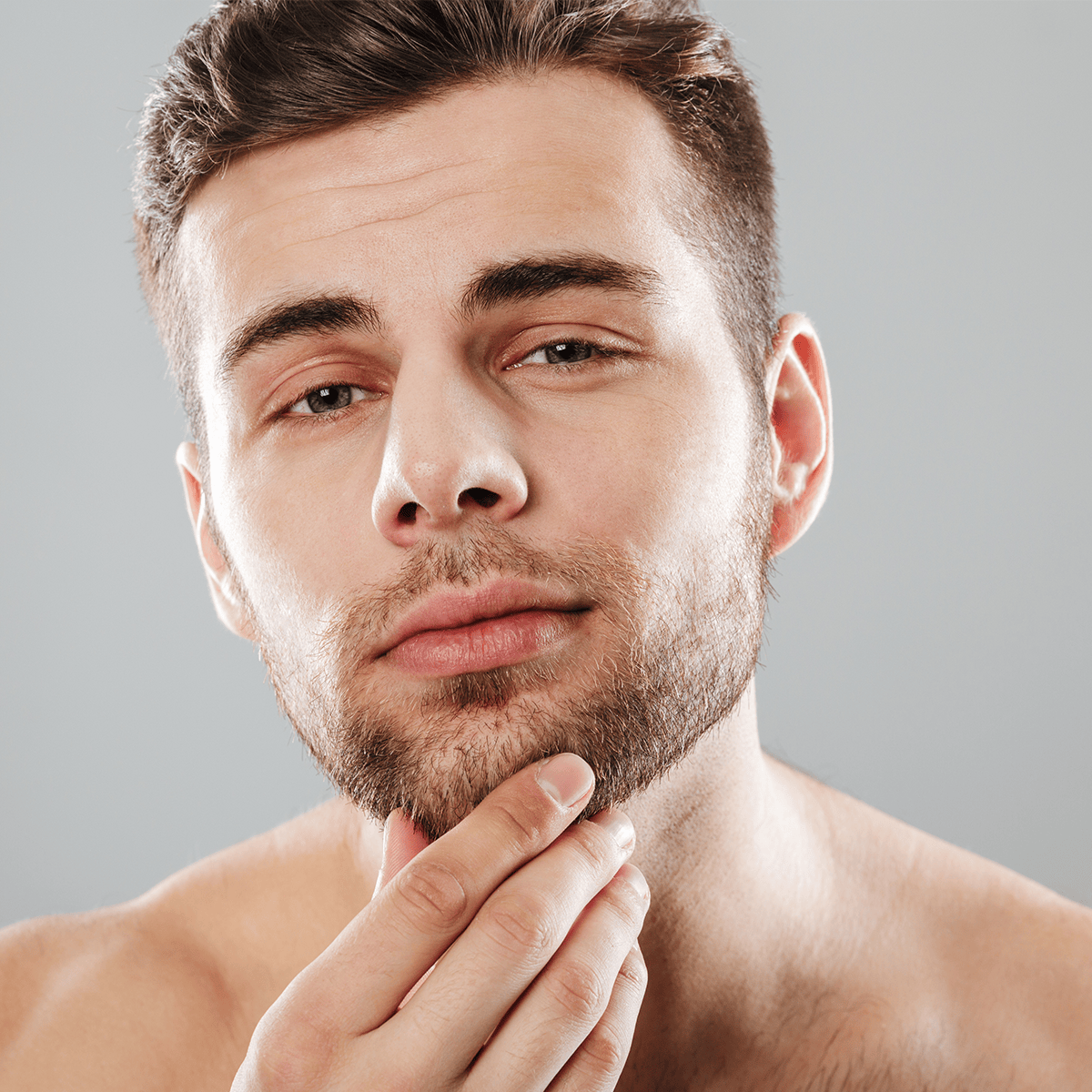
Why Choose DK International for Beard and Mustache Transplant?
At DK International Hair Transplant, we manage the beard and mustache transplant process with a personalized aesthetic planning approach rather than standard applications. The most suitable treatment method is determined based on each patient’s facial structure, beard–mustache transition line, hair growth directions, and expectations.
All procedures are performed in clinical environments that comply with strict hygiene standards, by specialist physicians and an experienced medical team. Detailed guidance and regular follow-up support are provided before and after the procedure.
Our objective is to achieve natural results that complement facial aesthetics and provide long-term satisfaction after beard and mustache transplantation.
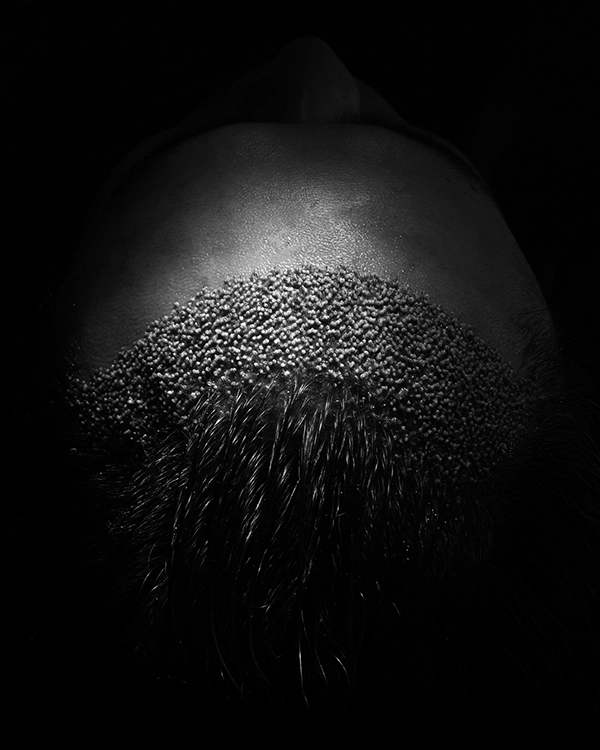

Personalized Evaluation and Planning
Each patient’s beard and mustache structure, facial features, and expectations are unique. For this reason, the process is planned individually rather than through standard packages.
During the planning stage:
- Facial structure, beard–mustache line, and existing distribution are analyzed.
- Donor area capacity is evaluated.
- Beard and mustache density and implantation areas are determined.
This approach helps achieve natural transitions and results that are harmonious with the face.
Beard and Mustache Transplant Techniques
Different techniques can be applied during the beard and mustache transplant process. The preferred technique is determined based on the patient’s donor area characteristics, the needs of the implantation area, and the desired density.
Main techniques applied include:
- FUE Beard and Mustache Transplant
- DHI Beard and Mustache Transplant
- Sapphire FUE Beard and Mustache Transplant
Each technique is planned and performed in accordance with the natural hair growth directions of the beard and mustache area and overall facial aesthetics.
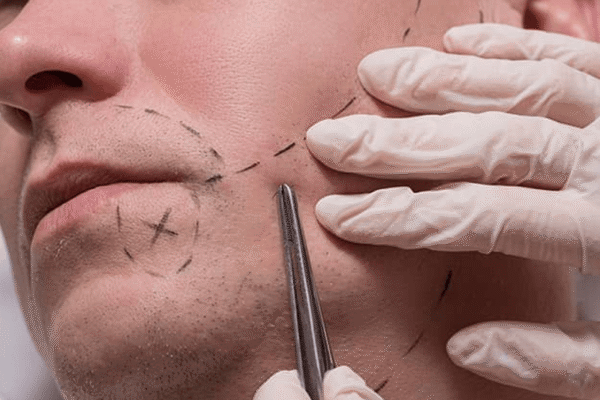
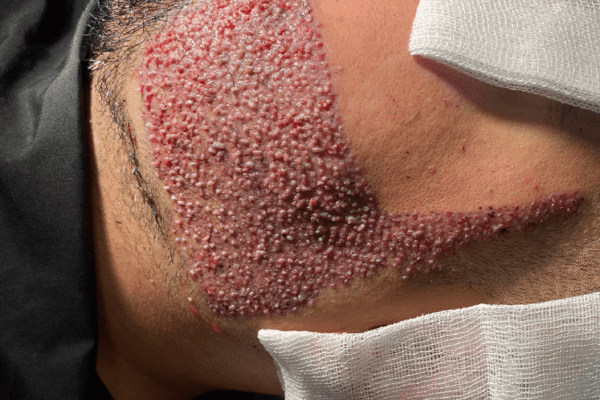
Procedure Process
Beard and mustache transplantation is performed under local anesthesia in a clinical environment that meets hygiene standards. Patient comfort and safety are prioritized throughout the procedure.
The duration of the procedure may vary depending on the planned number of grafts, the selected technique, and the scope of the implantation areas. The entire process is carried out meticulously by an expert medical team.
Post-Procedure Care and Follow-Up Process
Beard and mustache transplantation is evaluated together with the post-operative care and follow-up process. A healthy recovery process directly affects the quality of the final results.
During this period:
- Aftercare and protection guidelines are provided for the initial days.
- The washing process and return-to-daily-life timeline are explained in detail.
- The growth process and density development are monitored regularly.
The goal is to ensure a healthy recovery and achieve successful, long-lasting results.
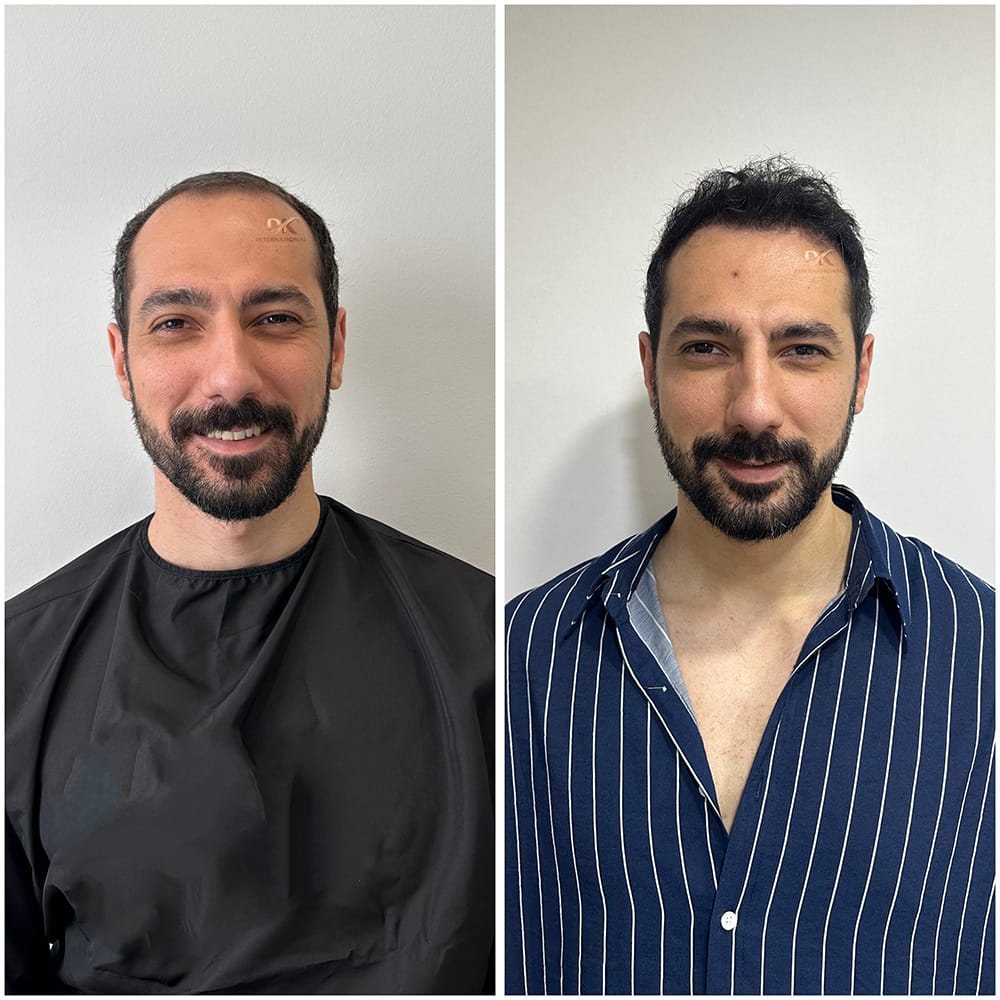
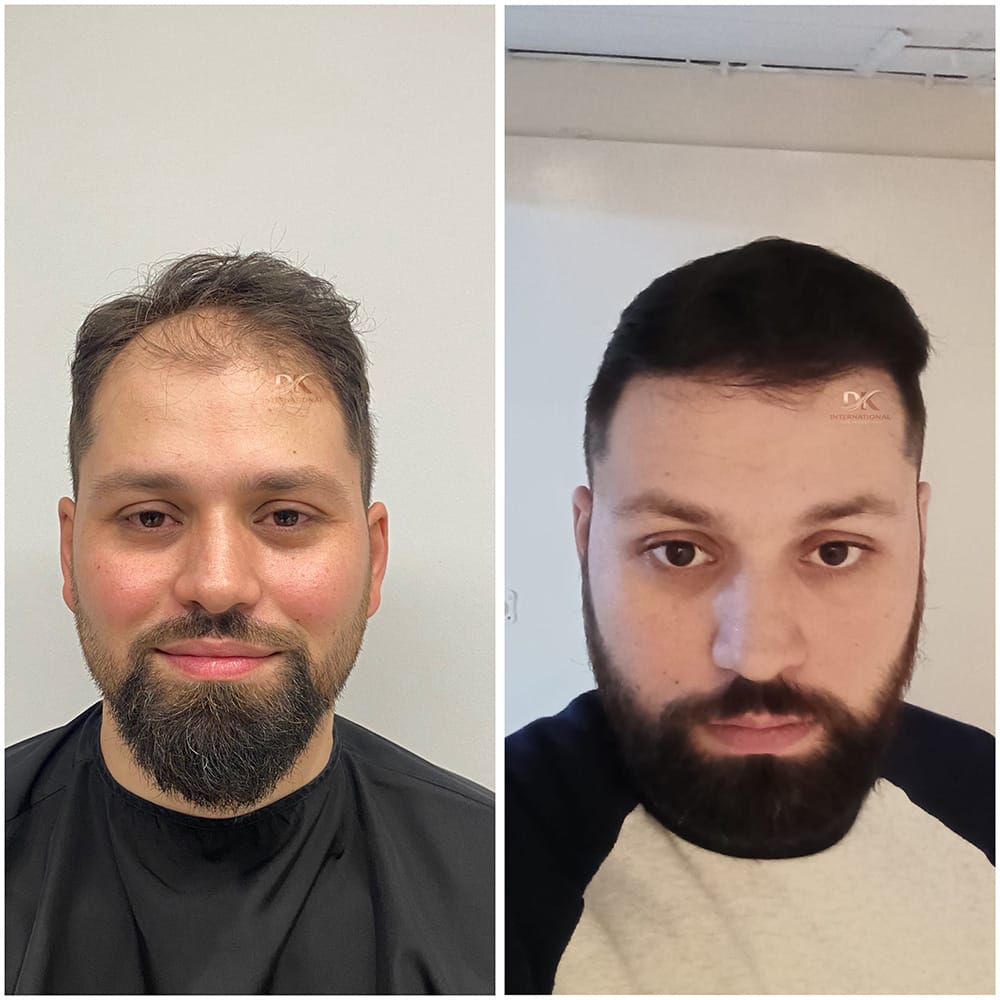
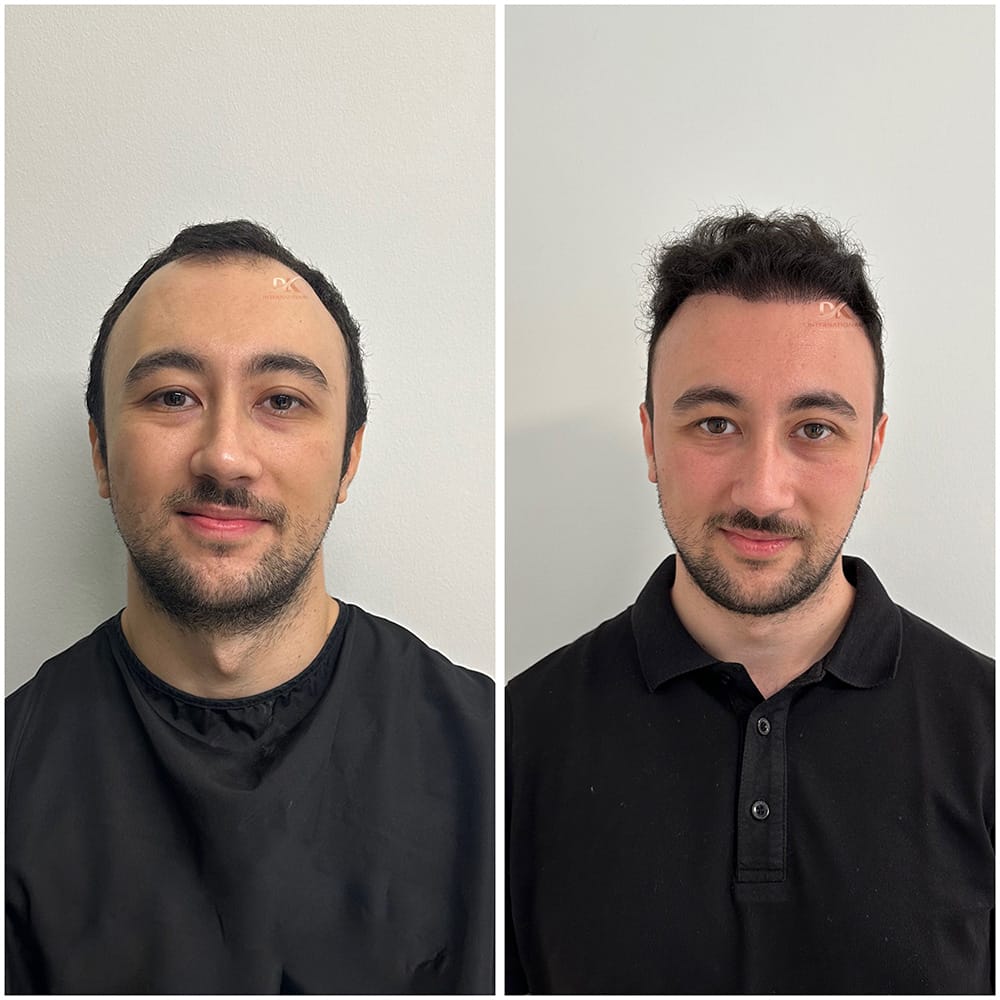
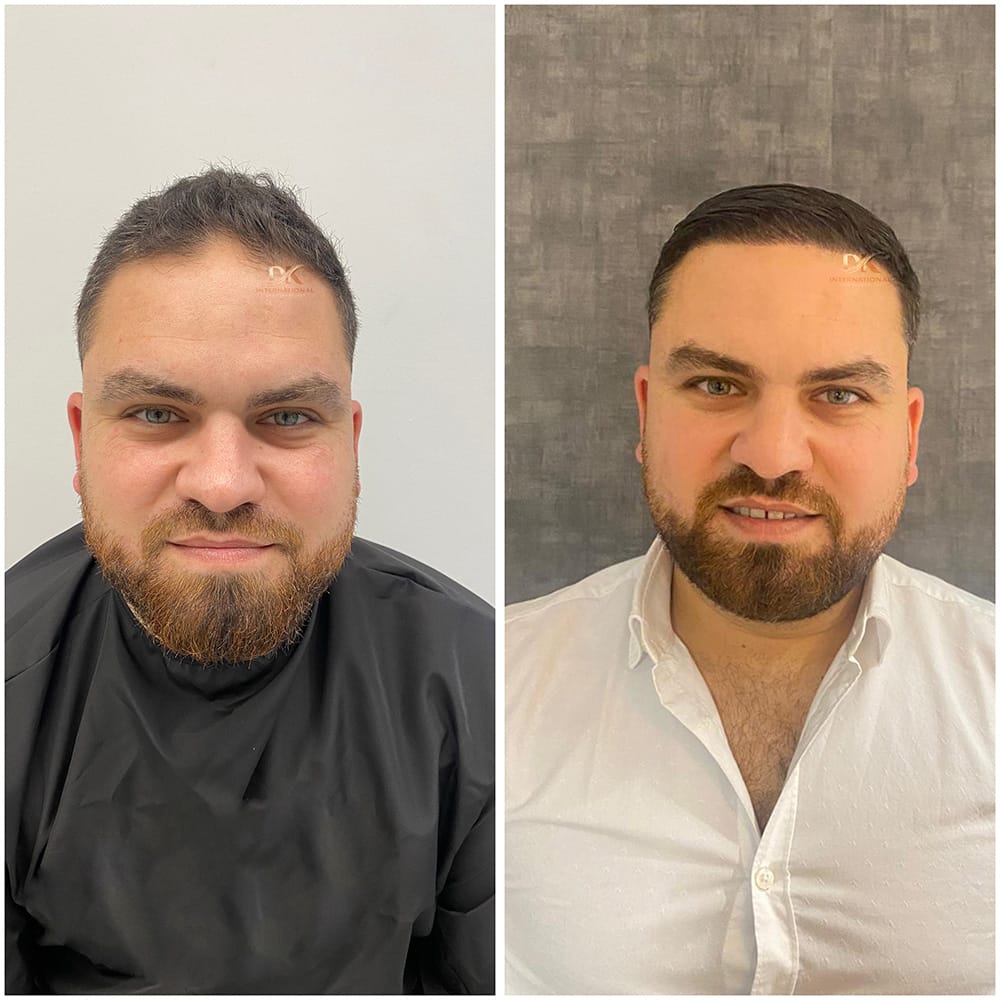
Before and After in Real Patients
We transparently present the before and after processes of our procedures using images from our real patients. The results achieved reflect our personalized planning and expert application approach.